
A Guide to Restoring Neglected Vehicles
A neglected vehicle tells its story before you open the door: mineral spots baked into the paint, dust packed into every seam, cloudy trim, a stained headliner, and loose pieces that somebody meant to fix later. This guide to restoring neglected vehicles is for the owner who is tired of looking at those problems and wants real improvement, not a quick wash that hides them for a weekend.
The right restoration can make an older daily driver feel worth keeping, help a used truck look like a better purchase, or improve a vehicle's presentation before sale. But good results come from working in the right order. Clean first. Inspect closely. Correct what can be corrected. Repair the little things that drag down the whole appearance. Then protect the work.
Start With an Honest Condition Check
Before buying products or booking work, take a slow walk around the vehicle in full daylight. Do not judge it only by how dirty it is. Dirt is often the easy part. Look for problems underneath it: etched water spots, faded paint, oxidation, sap, overspray, cracked plastic, torn weatherstripping, loose trim, broken clips, and stains that have settled into fabric.
Inside, check the areas most people miss. Slide the seats forward and back. Look along seat rails, under floor mats, around cup holders, inside door pockets, and at the edges of the headliner. Odors, pet hair, spilled drinks, old smoke residue, and ground-in dirt can make an otherwise decent vehicle feel worn out.
It also pays to separate cosmetic issues from mechanical and safety issues. Detailing can transform paint, trim, glass, upholstery, and overall presentation. It cannot make unsafe tires, bad brakes, serious rust, electrical trouble, or an active fluid leak disappear. Handle those concerns with the right repair professional before putting money into appearance work.
Take photos before anything is cleaned. They help you see the actual change later, and they make it easier to prioritize the work. A vehicle does not need to become showroom new to look dramatically better. It needs the problems that catch your eye every day to be addressed properly.
Set a Restoration Goal Before You Spend
A neglected vehicle can be restored for long-term ownership, resale, trade-in, or simple personal pride. Each goal changes how far you should go.
If you plan to keep the vehicle, paint correction, stain removal, trim repair, and durable protection often make sense because you will enjoy the results over time. If you are selling it soon, focus first on the items buyers notice in the first thirty seconds: exterior cleanliness, clear glass, odor removal, presentable seats and carpets, clean wheels, and secure trim. A clean, cared-for vehicle earns more confidence than one with a list of excuses.
Be realistic about perfection. Deep scratches that catch a fingernail may require touch-up or refinishing. Clear coat failure is not fixed with wax. Permanent upholstery damage may improve without disappearing completely. Honest restoration work means knowing the difference between improvement and replacement, then putting your budget where it produces a visible payoff.
The Right Order for Restoring a Neglected Vehicle
Skipping steps is how a vehicle gets cleaned but never truly restored. Heavy dirt can hide defects, and trying to polish contaminated paint can create more scratching. A practical restoration process follows the condition of the vehicle, not a one-size-fits-all package.
Clear out the buildup first
Remove trash, personal items, old floor mats, and loose cargo before detailed cleaning begins. Vacuuming around clutter does not count. The goal is to expose every surface so dirt, stains, and damaged areas can be seen and treated.
For interiors, a serious deep clean reaches beyond the seats and dash. It includes carpets, crevices, vents, door jambs, consoles, pedals, seat tracks, and the edges where grime collects. Stains need the correct approach based on what caused them. Coffee, grease, salt, pet accidents, makeup, and old drink spills do not respond to the same cleaner or technique.
Odor needs the same straight talk. Covering it with fragrance is not odor removal. The source must be cleaned, whether it is old food, damp carpet, smoke residue, pet contamination, or debris trapped in the cabin filter area.
Decontaminate the exterior before correcting it
A proper exterior wash is only the beginning. Neglected paint can hold bonded contaminants that normal washing leaves behind, including mineral deposits, brake dust, industrial fallout, tree residue, and overspray. Those contaminants make paint feel rough and can interfere with polishing and protection.
Nevada sun and hard water create a common problem: water spots that turn from a surface issue into etched marks. Fresh mineral spotting may be removable with careful cleaning. Older etched spots may need controlled polishing. The longer they sit in heat, the more difficult the correction becomes.
Glass deserves close attention too. Dirty or stained glass is more than an appearance issue when glare hits at night. Clean it thoroughly, inspect for etched spotting, and make sure wiper blades are not dragging grime back across the surface.
Correct paint carefully, not aggressively
Paint correction can remove or reduce swirl marks, oxidation, haze, and some light scratches. It can bring depth back to dull paint and make the entire vehicle look cleaner even before protection is applied. It is also a process that requires judgment. Every polishing step removes a small amount of material, so more aggressive is not automatically better.
A good technician tests a small area, checks the result, and chooses the least aggressive method that delivers meaningful improvement. On an older vehicle, preserving paint may be more valuable than chasing every last defect. That is especially true around sharp body lines, repaired panels, thin paint, and areas with prior damage.
Repair the details that make a vehicle look neglected
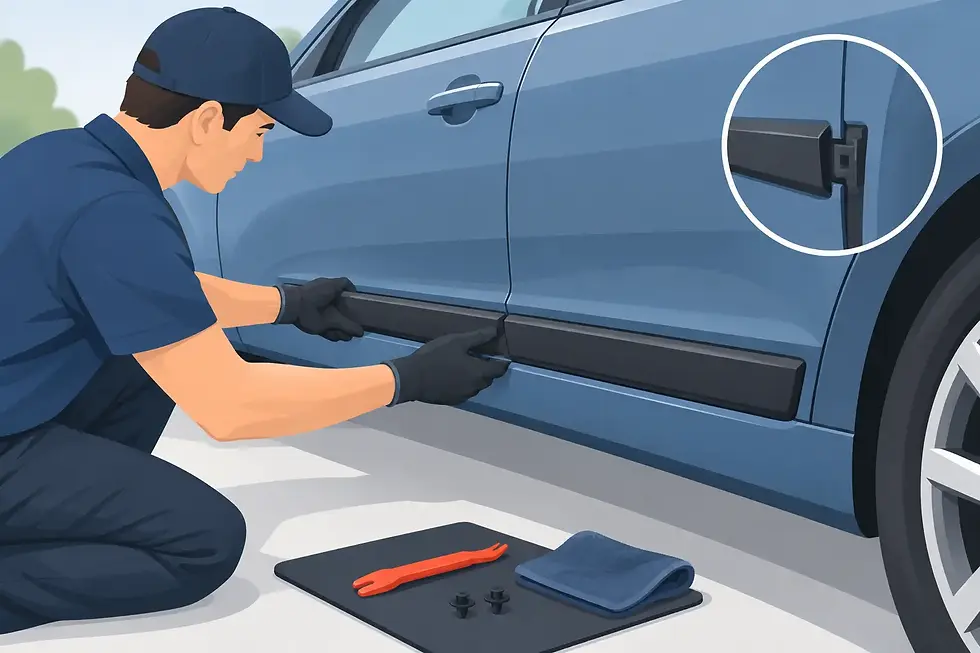
Small cosmetic failures add up fast. A loose molding, hanging splash guard, missing fastener, faded emblem, or trim panel that will not sit flush can make a clean vehicle still look uncared for. These are the issues basic wash services often ignore because they take time, problem-solving, and sometimes a little part sourcing.
Fixing them is often one of the best-value parts of a restoration. A properly secured piece of trim does not just look better. It prevents rattles, keeps the issue from getting worse, and removes one more thing the owner has to explain to a buyer or passenger.
At Best Auto Detailing, this is the kind of hands-on corrective work that matters. The goal is not to rush a vehicle through a standard package. It is to address the condition problems that keep it from looking finished.
Protect the Results or Plan to Do It Again
Once the vehicle is clean and corrected, protection keeps the work from fading quickly. The best choice depends on where the vehicle lives, how it is driven, whether it is garaged, and how much maintenance the owner will actually do.
A quality protectant for paint helps limit contamination and makes future washing easier. Interior protection helps reduce staining and sun damage. Trim treatment can improve faded plastic, though severely deteriorated trim may need replacement for a lasting fix. Regular cleaning of wheels and door jambs prevents the neglected look from returning one small area at a time.
Do not confuse protection with immunity. Coatings, sealants, and dressings still need maintenance. They will not stop rock chips, prevent every water spot, or repair existing damage. What they do is give the vehicle a better fighting chance against sun, dust, rain, road grime, and everyday use.
When Professional Restoration Is Worth It
Some work is satisfying to tackle at home, especially basic decluttering and maintenance washing. Professional help is usually the smarter call when the vehicle has heavy staining, stubborn odors, etched water spots, oxidation, delicate paint, severe interior buildup, or trim that needs repair rather than cleaning.
The value is not just in equipment. It is in avoiding expensive mistakes. Scrubbing a headliner too hard can cause it to sag. Using the wrong chemical can discolor leather or stain trim. Aggressive polishing can create more problems than it solves. A neglected vehicle has already taken enough abuse. Restoration should improve it, not add another layer of damage.
Start with the issue that bothers you most every time you walk up to the vehicle. Fix that one correctly, then build from there. A clean, repaired, protected vehicle changes how it feels to drive, and that is a result you notice long after the before-and-after photos are taken.


Comments